For owners in El Paso
Business CPA El Paso AlternativeSales tax in El Paso on the twentieth
Collected tax has to leave the sale before the twentieth, on the state's stamp, even when the wall behind the counter is an hour behind.
Open the rates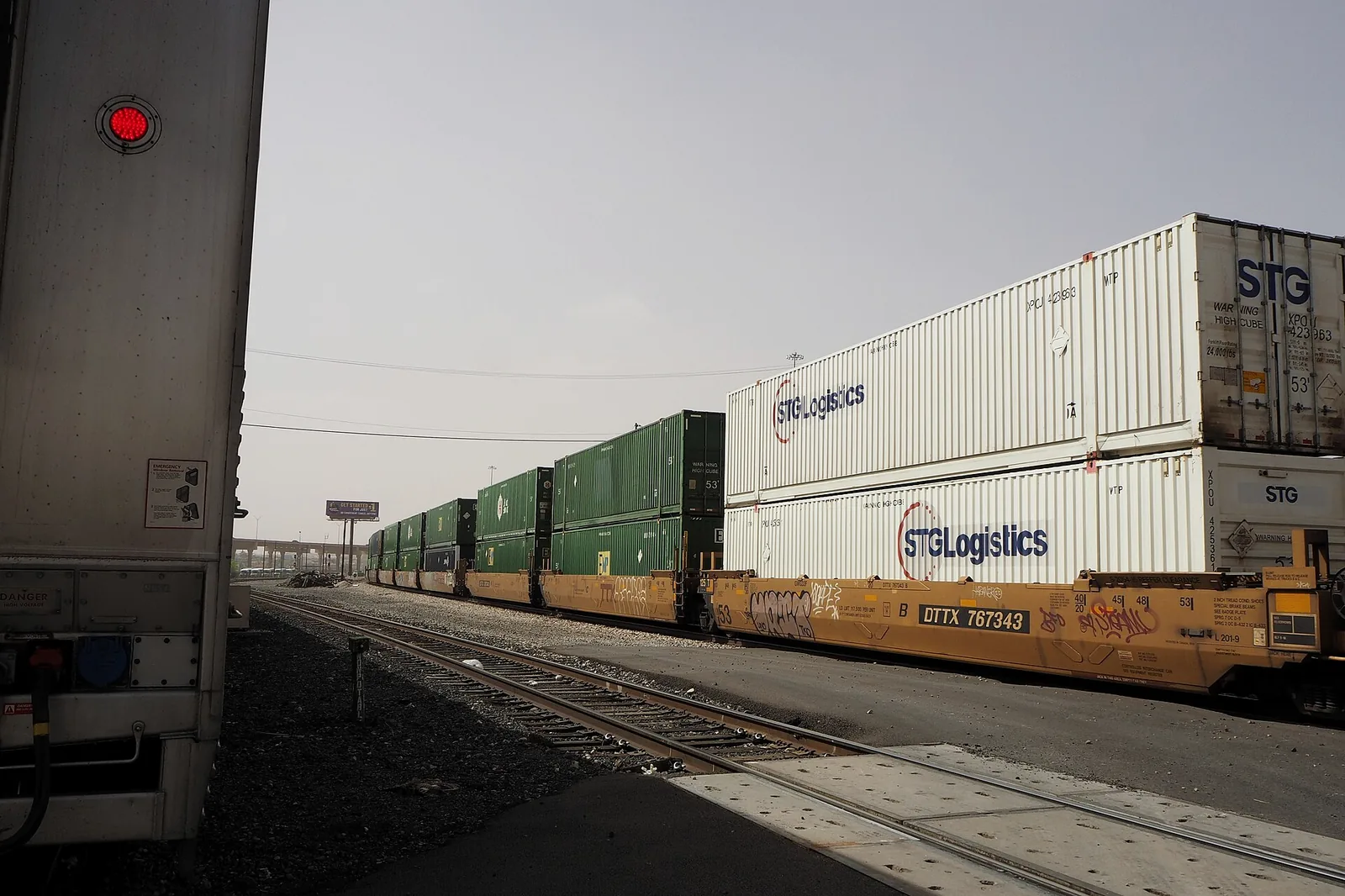
For owners in El Paso
Collected tax has to leave the sale before the twentieth, on the state's stamp, even when the wall behind the counter is an hour behind.
Open the ratesSales tax in this city stacks to 8.25 percent. The state takes 6.25. The city adds 1. The county adds half a point, and the transit authority adds the other half. That combined figure is the maximum Texas allows a local stack to reach. Knowing the pieces matters more than memorizing the total, because a deposit that still contains the tax will make the month look richer than it is.
Shops that remit sales tax each month send the return on the twentieth of the month after those sales. Quarterly sales tax for this state is due on the twentieth of April, July, October, and January. The date ignores the fact that the shop runs on Mountain time. The state's stamp is Central. An owner who waits until the evening of the nineteenth on the wall behind the counter is already inside the filing morning on the state's stamp. The report gets built during the month so that hour is never the plan.
San Jacinto Plaza took its name in 1903, and the pond there is where alligators were once kept. A downtown Saturday still draws a crowd to that square, and the tills stay open late. Saturday's cash belongs in Saturday's week, even when the square feels like a holiday. The Saturday crowd is the part people remember. The deposit from that Saturday is the part the month has to keep. A pleasant afternoon and a sales report can share a month. The twentieth still arrives on the calendar whether that square was full or empty.
A card processor that pays in one lump is the usual trap. Part of the lump is the sale. Part is the tax you were only holding. Part may be a fee that was never income. Split the lump while the week is fresh and the twentieth remains only a filing. Leave them mixed and the day before turns into a reconstruction the bank line cannot explain.
El Paso County is one of the Texas counties that levy a county sales tax, and that half point is dedicated to property tax relief. The transit half point has applied inside the city since 1988. Step across the city limit and the local add-on can change. We ask where the sale happened before we quote a rate from memory. We write the pieces down before anyone quotes a combined rate. The atlas figure is a starting point for that conversation.
Exemption certificates, a reseller's purchases, and a delivery across a city limit each change what the return should say. We do not invent a certificate you do not have. We also do not leave collected tax inside sales just because the week was busy. The close and the return have to describe the same tax. If they do not, the return is a story and the books are a different story. A shop that sells on both sides of the city limit needs the rate for the place of the sale written down before that guess becomes the filing.
Bring the deposits from the month as it happened. Hard months still file. Quiet months still file. Goods move through this valley on a schedule even in a week the shop felt still, and a deposit should move on a schedule too. We want the tax out of that deposit before the twentieth, whether the counter was loud or quiet.
A rate question or a twentieth that already passed is enough.

You will be talking to the Steven Palmieri practice.