For owners in El Paso
Business CPA El Paso AlternativeThe January property bill in El Paso
Property bills for El Paso go out in October and are due at the end of January. The state's clock is still an hour ahead of the wall.
See the bill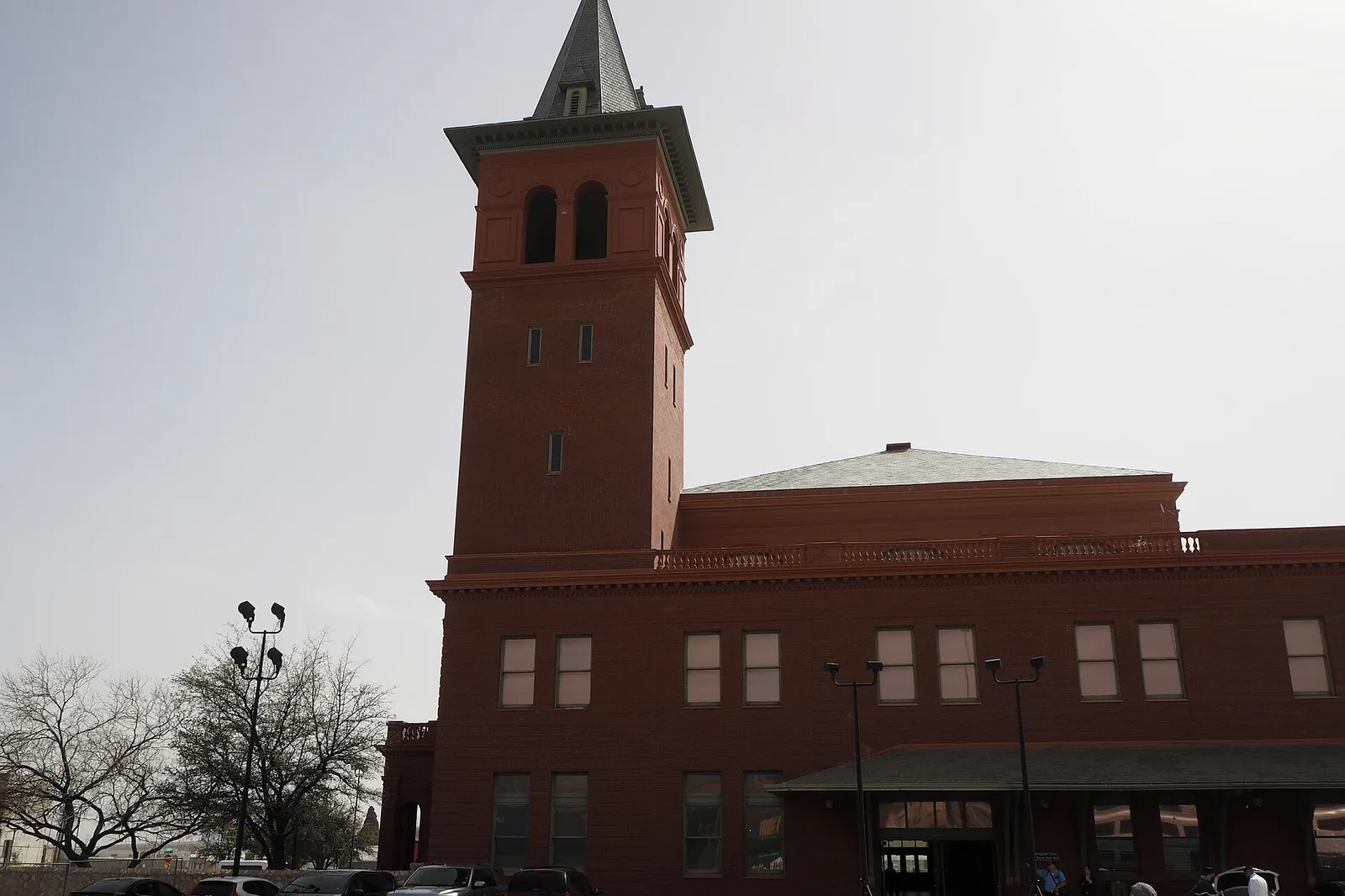
For owners in El Paso
Property bills for El Paso go out in October and are due at the end of January. The state's clock is still an hour ahead of the wall.
See the billProperty tax bills in El Paso go out in October. Payment is due by 31 January. Unpaid tax turns delinquent on 1 February. The consolidated office collects for many local governments at once, so the envelope can be thicker than a single city bill. October is the month to put the number on the cash plan. Meeting that bill for the first time in February is how owners get surprised.
The hour sits beside that date the same way it sits beside the twentieth. A last-day payment planned for late afternoon on a Mountain Time wall can already be the next calendar day on a Central clock, depending on how the collector stamps it. We do not play games with the last hour. We stage the payment while the due date is still a comfortable day away.
The earlier Socorro Mission was lost in an 1829 flood, and the present church was built around 1839, leaving Ysleta, Socorro, and San Elizario on the American side. People still tell that story with a kind of awe, because the river redrew the map and the parish stayed. October mail on the kitchen table is the moment the bill becomes real, long before February. A due date does not redraw itself. A flood can move a building. The statute leaves the date where it put it.
A bill that shows up in October still lands an hour earlier on a Mountain clock than the Central date suggests, and the year is open while you read it. October still lets an owner reset pay, place a purchase that really happened, or resize an estimate. A property bill and a tax estimate are different decisions that happen to share a season. We label them separately so a bill you must pay is not confused with a choice you might still make.
A sale can arrive with the tax still inside it, and the twentieth does not wait. You can admire the total or you can be late to the crossing. The bill is the crossing. We would rather you see it in October, when the cash plan can absorb it, than in the last week of January, when every other date is also shouting.
If the bill seems wrong, the protest path belongs to you and to the appraisal district, on that district's calendar. We can put the bill into the books and the cash plan. We do not pretend a book entry is a protest. Say if a protest is already filed so a disputed figure stays marked as disputed.
One envelope can hold city, county, school, and a few smaller units. The cash plan needs the total and the due date more than it needs a speech about each unit. We still keep the pieces, because a later question about one unit should not require opening the envelope again. October is when that split is easy. January is when people wish they had done it. A bill paid from the operating account and a bill paid from savings are still the same due date. The cash plan names which account will send it, so January is a transfer and not a scramble.
A bill and an estimate can share a season and still be different jobs. The bill is money you already owe a local government. The estimate is a choice about the year that is still open. We will not let a large bill become an excuse to skip the estimate, and we will not let an estimate conversation hide the bill. Both dates go on the list. Only one of them is optional.
People wait at the Amtrak building on a posted time, not on a hoped-for time. A tax deadline behaves like that posted time. The posted time is Central. Your wait happens on Mountain. We stage the payment while the due date is still a comfortable day away, so February is not the first time the bill is real.
Say if the bill is in hand or still only a worry.

You will be talking to the Steven Palmieri practice.